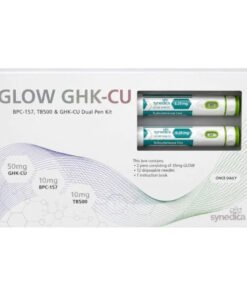
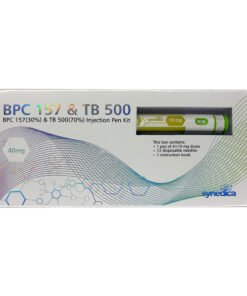
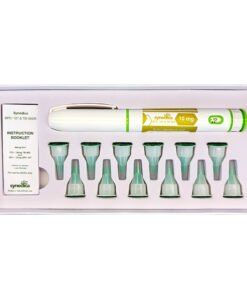
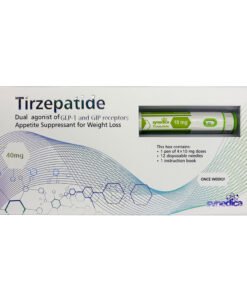
Peptides are short chains of amino acids, the same building blocks that make up proteins. In the body, many peptides act as signaling molecules. They attach to specific receptors and trigger responses that help regulate appetite, blood sugar, energy use, and other metabolic processes.
Researchers study synthetic versions of these signaling peptides to learn how those pathways work. A single peptide can be engineered to bind more than one receptor, which lets scientists explore how overlapping hormone signals interact. This field, often called incretin research, has grown rapidly because metabolic regulation touches so many areas of health science.
When you read about a peptide in a research setting, three ideas usually matter most:
- Receptor targets — which hormone receptors the peptide is designed to activate
- Structure and stability — how the amino acid sequence is modified to last longer or bind more precisely
- Purity and reproducibility — whether a compound is consistent enough for reliable laboratory analysis
These are the lenses scientists use, and they are the same lenses we apply throughout this hub.
What the Term “Synedica” Means in a Research Context
The word Synedica functions as a label rather than an internationally recognized scientific name. In peptide literature and online catalogs, it is common to place a supplier name, a lab identifier, or a catalog reference in front of a compound name. Over time, those combinations become search terms even though they are not official generic drug names or registered trademarks in the pharmaceutical sense.
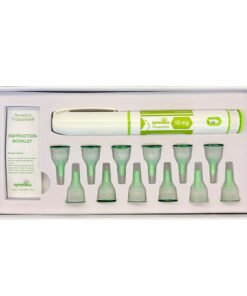
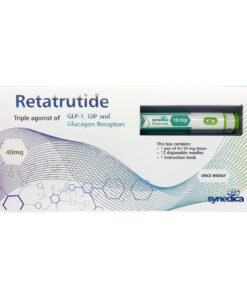
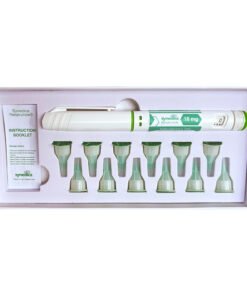
So when you see Synedica Retatrutide or Synedica Tirzepatide 40mg, read the first word as an identifier and the rest as the compound and its quantity label. Understanding this distinction helps you separate marketing language from the underlying science, which is exactly what a reference hub should encourage.
Retatrutide is a synthetic peptide studied for its interaction with multiple hormone receptors at once. In the scientific literature, it is frequently described as a triple agonist, meaning it is designed to engage three receptor pathways involved in metabolism: GLP-1, GIP, and glucagon. Researchers investigate how activating these pathways together affects energy balance and metabolic signaling in controlled study settings.
It is important to be precise here. Retatrutide is an investigational compound. It is studied in clinical trials and laboratory research, and it is not an approved medicine available for general use. Any discussion of it on this hub is meant to explain the science, not to suggest personal use.
Tirzepatide and Dual-Incretin Research
Tirzepatide is a synthetic peptide widely studied as a dual agonist. It is designed to engage two receptor pathways: GLP-1 (glucagon-like peptide-1) and GIP (glucose-dependent insulinotropic polypeptide). Research into tirzepatide often focuses on how these two incretin signals work together to influence appetite regulation, glucose handling, and energy metabolism.
The dual-incretin approach is a major theme in modern metabolic science because targeting two pathways can reveal effects that neither pathway shows alone. Scientists examine receptor-binding behavior, signaling dynamics, and stability under laboratory conditions to build a fuller picture of how these compounds behave.
Just as with retatrutide, a label such as Synedica Tirzepatide 40mg combines an identifier, a compound name, and a mass figure. The “40mg” refers to total peptide content in a referenced format, not a measured or recommended amount. Approved tirzepatide-based medicines exist under their own brand names and are obtained through licensed prescribers and pharmacies. A research label is a different thing entirely, and this hub treats it strictly as a subject of study.
Cagrilintide and Semaglutide Combination Studies
Some of the most active research in this space looks at combinations of compounds. Cagrilintide is a long-acting amylin analog, and semaglutide is a well-known GLP-1 receptor agonist. Studying them together lets researchers explore how amylin signaling and GLP-1 signaling interact within metabolic pathways.
Amylin and GLP-1 influence appetite and energy regulation through different mechanisms, so combination research examines whether their effects complement one another. This is an evolving area, and much of what scientists learn comes from carefully controlled trials rather than settled conclusions.
The term Synedica Cagri Reta is shorthand that circulates online, typically pointing to cagrilintide-related combination topics. “Cagri” refers to cagrilintide and “Reta” is often used loosely alongside retatrutide discussions. As with every label on this page, treat Synedica Cagri Reta as a descriptive search term rather than a defined pharmaceutical product. Its value here is purely as an entry point into understanding the underlying combination science. learn more
How Milligram Labels Are Interpreted in Peptide Research
Because milligram figures cause so much confusion, it is worth stating the principle plainly. In peptide contexts:
- A milligram (mg) value describes mass, the total amount of peptide referenced
- It does not indicate concentration after any reconstitution
- It does not specify frequency, timing, or method of anything
- It is a packaging or catalog specification, not guidance
This is standard across research peptide literature. When you understand that “40mg” is simply a quantity label, phrases like Synedica Retatrutide 40mg and Synedica Tirzepatide 40mg become far easier to read accurately.
The Difference Between Research Compounds and Approved Medicines
One of the clearest messages this hub can offer is the line between investigational compounds and approved medicines. Approved metabolic medicines go through rigorous clinical trials, regulatory review, and quality controls. They are prescribed by licensed clinicians and dispensed through regulated pharmacies. Their labeling, dosing, and safety data are established through that process.
Research compounds referenced by names like Synedica Retatrutide are studied in laboratory and trial settings. They do not carry the same regulatory approvals, and their labeling reflects scientific specifications rather than clinical instructions. Recognizing this difference protects you from misreading research terminology as if it were medical advice. If you have questions about metabolic health, a qualified healthcare professional is the right source.
Reading Peptide Literature Responsibly
Approaching this subject well comes down to a few habits. Read the primary science where you can, including peer-reviewed studies and clinical trial registries. Notice when a source is describing a mechanism versus making a claim. Separate identifiers and labels from the actual compound science. And remember that active research means many questions remain open.
Synedica exists to make that kind of careful reading easier. We keep the language plain, the framing neutral, and the focus firmly on understanding. Metabolic peptide science is genuinely fascinating, and you can explore it thoughtfully without treating a search term as a shopping list or a set of instructions.
FAQ Section
Synedica is used here as a research reference hub and as a labeling identifier that appears alongside metabolic peptide names online. In that labeling role, it works like a supplier or catalog reference rather than an official scientific or pharmaceutical name.
It refers to retatrutide, a synthetic peptide studied as a triple receptor agonist, presented with an identifier in front of the compound name. On this hub, Synedica Retatrutide is treated strictly as a research topic, not as a product for use.
The “40mg” is a mass label. It describes the total amount of peptide referenced in a given specification. It is not a dose, a daily amount, or any usage recommendation, and it says nothing about concentration, timing, or method.
Tirzepatide is generally studied as a dual agonist targeting GLP-1 and GIP receptors. Retatrutide is studied as a triple agonist that also engages the glucagon receptor. Both are investigational research topics rather than approved consumer products.
It is a shorthand search term pointing toward cagrilintide-related combination research, where “Cagri” indicates cagrilintide. Like every label on this page, it should be read as a descriptive term and an entry point into the science, not as a defined product.